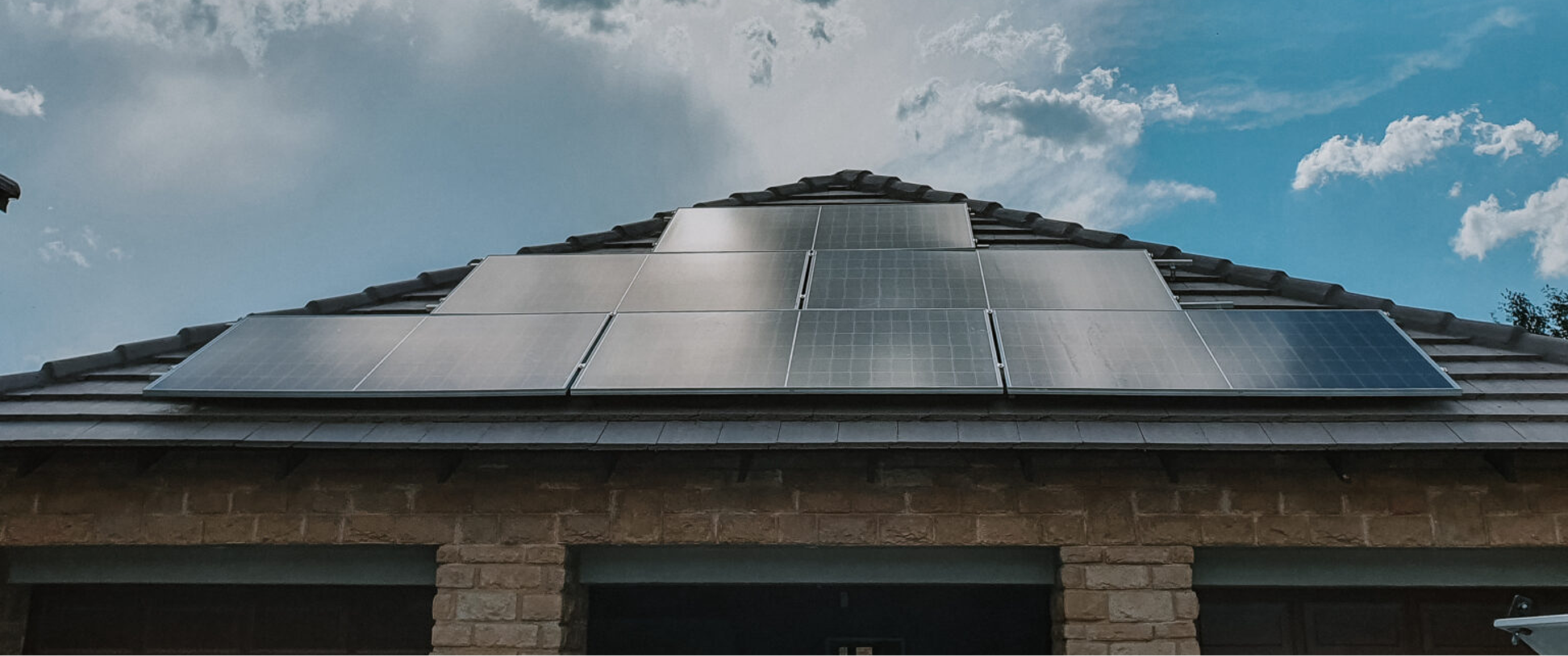

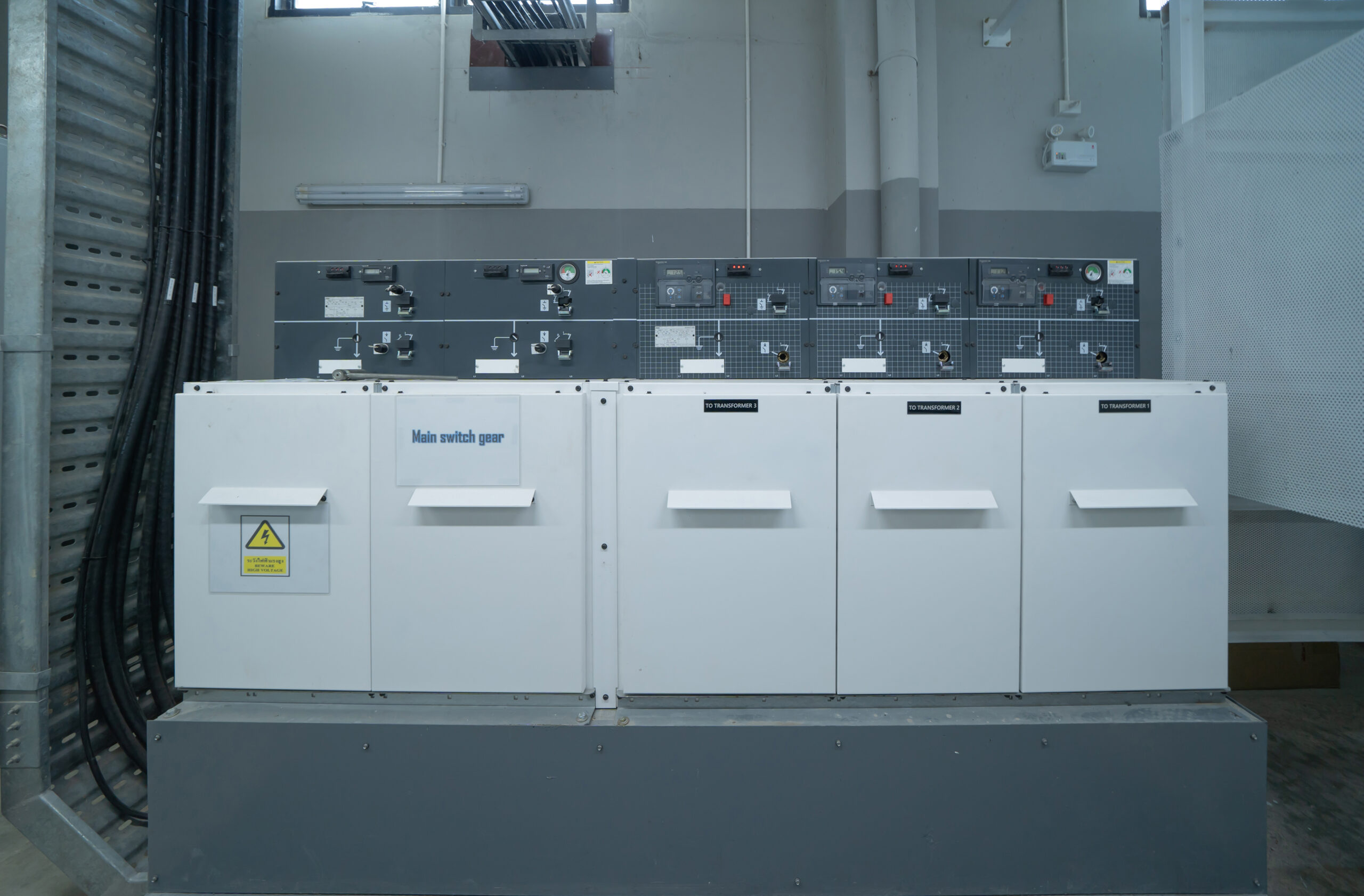
Installing more solar equipment does not automatically create a better energy solution. If an existing system is poorly configured, undersized or no longer suited to the property’s energy needs, it may still deliver limited backup power and unreliable performance.
Premier Brands recently completed the first phase of a solar system upgrade featuring:
- 50kW of inverter capacity
- 112kWh of battery storage
- A redesigned and upgraded existing system
- Improved reliability and more usable backup power
Why was this solar system upgrade needed?
Solar systems are designed around the energy requirements that exist at the time of installation. Those requirements can change as a property grows, more equipment is added or backup power becomes increasingly important.
An older or poorly designed system may experience several limitations:
- Insufficient power for peak loads
- Limited battery runtime
- Poor use of the available stored energy
- Unreliable performance during power outages
- Components that are not properly balanced
- Limited capacity for future expansion
For this project, Premier Brands assessed the existing installation and redesigned the system around the client’s current and future energy requirements.
This approach allowed existing infrastructure to be upgraded where appropriate while improving the overall performance of the system.
What does 50kW of inverter capacity provide?
The inverter is responsible for converting electricity from the solar panels and batteries into power that the property can use.
A system with 50kW of inverter capacity can supply up to 50kW of power at a given moment, subject to the system configuration and available energy. This determines how many electrical loads can operate simultaneously.
Higher inverter capacity can help a property run larger or more demanding loads without overloading the system. However, inverter capacity alone does not determine how long those loads can remain operational during an outage.
That is where battery storage becomes important.
In the project video, Pierre walks through the upgraded system and explains why the original setup needed attention. The goal was not simply to add equipment. It was to create a smarter, better-balanced solar and battery solution.
Watch video here link:
Battery storage versus inverter capacity
Although inverter capacity and battery storage work together, they measure two different things.
Inverter capacity is measured in kilowatts (kW). It indicates how much power the system can deliver at one time.
Battery storage is measured in kilowatt-hours (kWh). It indicates how much energy can be stored for use over time.
A simple way to understand the difference is:
- Inverter capacity determines how much equipment can run at once.
- Battery capacity influences how long that equipment can run.
A system may have a powerful inverter but insufficient battery storage. In this situation, it could operate large loads, but only for a limited period.
The opposite is also possible. A system may have substantial battery storage but an inverter that cannot support all the required loads simultaneously.
The best solar system is therefore not necessarily the one with the biggest inverter or the most batteries. It is the system in which the inverter capacity, battery storage, solar generation and energy demand are properly balanced.
How do the 50kW inverter and 112kWh battery work together?
In this Premier Brands solar upgrade, the 50kW inverter capacity supports the property’s power requirements, while the 112kWh battery bank stores energy for use when solar generation is insufficient or grid power is unavailable.
For example, 112kWh of stored energy could theoretically supply an average 10kW load for approximately 11.2 hours. Real-world backup time will differ because of factors such as:
- The actual electrical load
- Battery operating limits
- Inverter and system losses
- Battery state of charge
- Available solar generation
- Which loads are prioritised during an outage
This is why battery storage should always be specified using measured consumption and the client’s required backup period—not guesswork.
For this project, combining 50kW of inverter capacity with 112kWh of battery storage created a more practical energy solution with stronger load-handling ability and more usable backup power.
Why redesign an existing solar system?
A solar upgrade should begin with a thorough assessment of the existing installation. Simply adding more batteries, panels or inverters may leave the original problems unresolved.
A professional redesign can identify:
- Equipment that can be retained
- Components that need to be upgraded
- Incorrect or inefficient system configurations
- Changes in the property’s energy demand
- Opportunities to improve backup priorities
- Requirements for future expansion
Premier Brands followed this process to transform the existing installation into a more reliable and scalable system.
Phase 1 of the project is now complete, with Phase 2 still to come. Planning the upgrade in phases allows the energy solution to evolve while maintaining a clear long-term design.
A smarter solar solution starts with the right system design
This 50kW solar system upgrade demonstrates that better performance is not achieved by focusing on a single specification.
Inverter capacity determines how much power the system can deliver. Battery storage determines how much energy is available over time. Solar generation then needs to replenish that stored energy effectively.
When these elements are designed to work together, the result is a more reliable solar system with practical backup power and room for future growth.
Watch Pierre’s project walkthrough to learn why this upgrade was needed and how the redesigned installation provides a smarter energy solution.
Book a free in-person solar quote
Is your current solar system no longer meeting your needs? Premier Brands can assess your installation and recommend a solution based on your property, energy consumption and backup requirements.
Complete the form at premier-brands.co.za to book your free in-person solar quote.
Telephone: 083 291 1272 or +27 60 333 8822
Email: info@premier-brands.co.za
Address: 644 Jacqueline Drive, Garsfontein, Pretoria
It depends on the electrical load. Lower loads provide longer backup periods, while larger loads use the stored energy more quickly.
No. A 50kW inverter describes power output, while battery storage in kWh describes the amount of energy available over time.
Yes. Premier Brands can assess an existing installation and recommend upgrades to improve its capacity, reliability, battery storage and overall performance.